Dealing with the aftermath of a vehicle collision is often an overwhelming experience for motorists in the Fraser Valley. Whether the incident occurred on a busy urban street or a quiet rural road, the immediate priority is always safety and then the preservation of information. When a vehicle has sustained significant accident damage, the owner is faced with a series of critical decisions regarding its future. In many cases, repair costs can influence an owner’s next decision, leading many residents to consider professional removal services. Documenting the condition of an accident-damaged car is a vital step that should never be overlooked before reaching out to a service like Chilliwack Scrap Vehicle Removal. By taking the time to record the state of the vehicle accurately, sellers can ensure a smoother transition and maintain a clear record of the event. This process is particularly important in a geographically diverse area like Chilliwack, where the environment plays a role in how a vehicle is handled and retrieved. Call 236-237-3958 to discuss your vehicle.
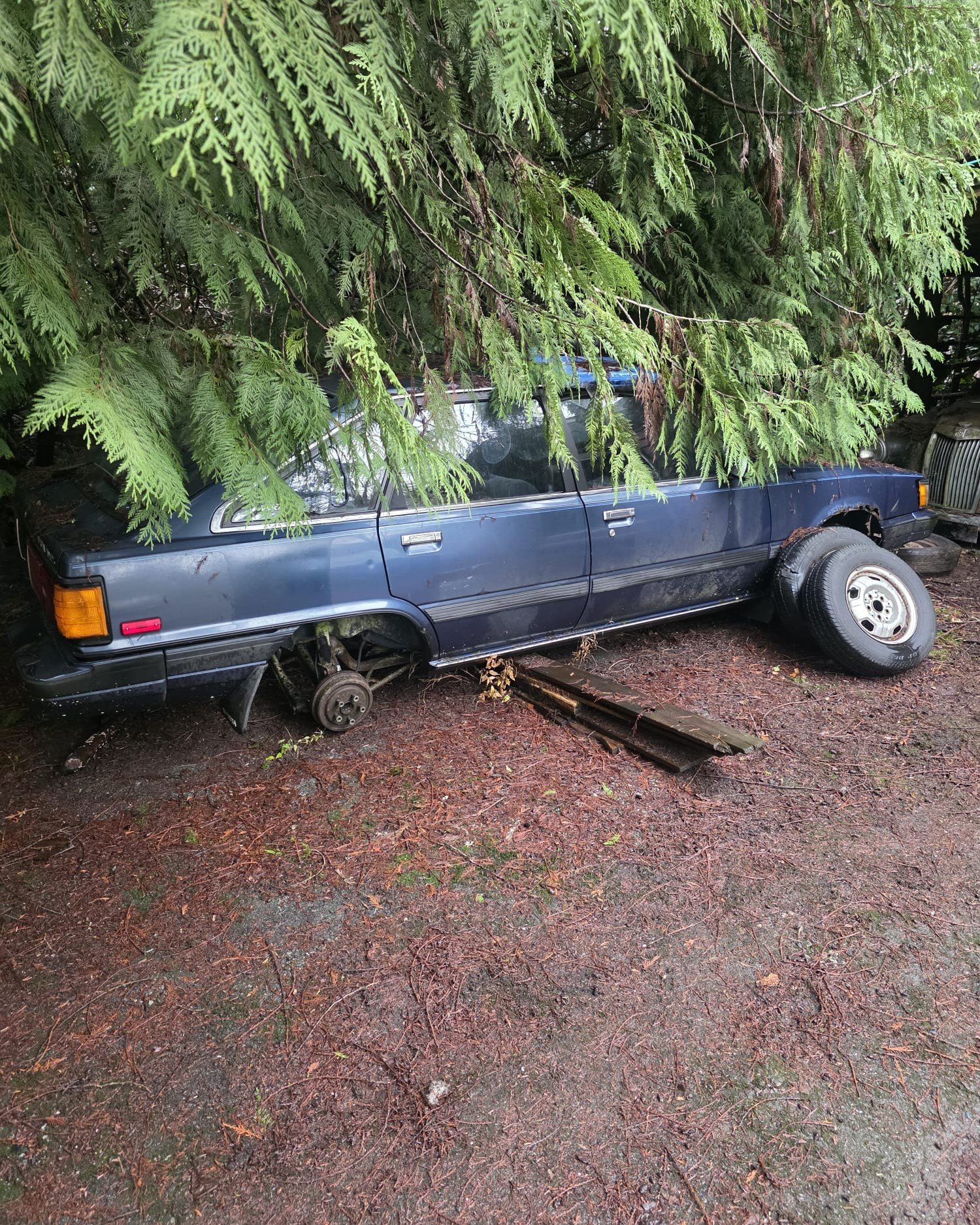
Understanding the Importance of Documentation in Chilliwack
Chilliwack is a unique community that identifies distinct urban, hillside, and rural neighbourhood types, each presenting its own set of circumstances for vehicle owners. An accident in the densely populated urban core involves different logistical considerations than one that occurs on a steep hillside track or a sprawling rural farm property. Regardless of where the damage occurred, having a comprehensive set of documents and visual evidence is the best way to protect your interests. When you prepare to contact a removal service, having these details ready allows for a more efficient conversation.
It is important to remember that Chilliwack Scrap Vehicle Removal specializes in purchasing unwanted vehicles and does not sell used parts. This distinction is crucial for sellers to understand, as the focus is entirely on the acquisition and recycling of the entire unit rather than the retail of individual components. Proper documentation serves as a bridge between the accident scene and the final removal of the car. It provides a factual basis for the condition of the vehicle at the time of sale, which is essential for a transparent transaction.
In the urban areas of Chilliwack, where traffic is heavy and property standards are strictly observed, removing a damaged vehicle quickly is often a priority for the owner. Conversely, in rural or hillside settings, the vehicle might be tucked away, but the need for clear records remains just as high. By documenting the damage thoroughly, you create a verifiable history that can be useful for insurance purposes and for the removal team that will eventually handle the logistics of the pickup.
Safety First: Securing the Scene Before Documenting
Before you pull out a camera, you must ensure that the environment is safe. This is especially true in Chilliwack’s hillside and rural areas, where visibility might be limited or the terrain might be unstable. If the vehicle is on a public road, ensure that you are not in the path of oncoming traffic. Once the scene is secure and any necessary emergency services have been notified, you can begin the process of documenting the damage. This initial step is not just about the car; it is about the context of the accident.
Take note of the weather conditions and the specific location within the Chilliwack service area. If your vehicle is located on a hillside property, be mindful of the ground stability around the car. Structural damage can sometimes lead to fluid leaks, which can be hazardous in rural environments. Identifying these issues early is part of the documentation process. While you are assessing the scene, you can reach out for professional advice by calling 236-237-3958 to discuss the next steps for your unwanted vehicle. Taking these precautions ensures that your documentation efforts do not lead to further complications or injury.
Capturing Comprehensive Visual Evidence
Photographs are perhaps the most critical component of your documentation. You should aim to capture the vehicle from every possible angle, even the parts that do not appear to be damaged. Start with wide-angle shots that show the car in its current environment, whether that is a hillside driveway or a rural field. These photos provide context and show the accessibility of the vehicle for the removal equipment. After capturing the surroundings, move in for closer shots of the specific points of impact.
Focusing on Structural and Mechanical Damage
When documenting an accident-damaged car, it is easy to focus only on the cosmetic issues. However, the structural and mechanical state of the vehicle is equally important. Look for signs of frame damage, leaking fluids under the engine bay, or wheels that are no longer aligned. If you can safely access the interior, take photos of the dashboard and any internal damage caused by the collision. This level of detail helps in providing an accurate description when you call 236-237-3958 to arrange for the removal of your unwanted vehicle. Remember, the goal is to provide a truthful representation of the car’s current state.
Interior Condition and Personal Belongings
While the exterior damage is usually what prompts a call for scrap vehicle removal, the interior condition should also be recorded. Ensure that all personal belongings have been removed before the final pickup. Documenting the interior also allows you to confirm that the car is being sold as a complete unit. Since Chilliwack Scrap Vehicle Removal does not sell used parts, they are looking for the entire vehicle, and having a clear record of the interior helps verify that the car is intact. This transparency is appreciated and helps facilitate a professional transaction between the seller and the removal service.
Organizing Paperwork and Ownership Details
Beyond the physical condition of the car, you must also document the legal side of the vehicle. This includes the vehicle identification number (VIN) and ownership documents. In Chilliwack, whether you are in a rural or urban neighbourhood, the transfer of an unwanted vehicle requires clear proof of ownership. Make sure you have a valid government-issued ID that matches the name on the vehicle’s title. Having this paperwork organized makes the process much faster and more reliable for everyone involved.
It allows the removal service to verify the details quickly and move toward the final step of purchasing your vehicle. This organized approach is the hallmark of a responsible seller and ensures that all local regulations in the Chilliwack area are met. Clear communication ensures a hassle-free removal process for any accident-damaged car.
The Role of Geography in Vehicle Recovery
Chilliwack’s diverse landscape means that the recovery of an accident-damaged car can vary significantly depending on its location. In urban zones, the challenges are often related to tight spaces and traffic management. In contrast, hillside neighbourhoods may require specialized equipment to navigate steep inclines or narrow residential roads. Rural areas might involve long driveways or soft ground that requires careful planning. By documenting these geographical factors, such as the distance from the nearest paved road, you help the removal team prepare for the job.
The grounding fact that Chilliwack identifies urban, hillside, and rural neighbourhood types is a practical consideration for vehicle recovery. When you describe your location, being specific about these neighbourhood types helps set the right expectations. Whether your car is sitting in a rural barn or an urban parking lot, the documentation you provide will be the foundation for a successful removal. The focus remains on providing a reliable service for those looking to dispose of vehicles that are no longer roadworthy and ensuring the process is handled with professional care.
If you have an unwanted vehicle that has been damaged in an accident and is taking up space on your property, now is the time to act. Whether you are located in the urban center, on a hillside, or in a rural part of the community, professional help is available. You can reach out to the team at Chilliwack Scrap Vehicle Removal by calling 236-237-3958 to discuss your situation. They are dedicated to buying unwanted vehicles across the entire region, providing a practical solution for cars that are no longer fit for the road. Remember, they focus on vehicle acquisition and do not sell used parts, ensuring a specialized service tailored to the needs of Chilliwack motorists. Organizing your documentation today is the first step toward a cleaner property and a resolved vehicle situation.