Deciding to part ways with a vehicle that no longer functions can be a significant logistical hurdle for many residents in the Fraser Valley. Whether the car has succumbed to mechanical failure, age, or simply wear and tear, the transition from a non-running asset to a cleared space requires a systematic approach. For those looking to streamline this process, understanding What to Check on a Non-Running Vehicle Before a Chilliwack Inquiry is the first step toward a successful transaction. Call 236-237-3958 to discuss your vehicle.
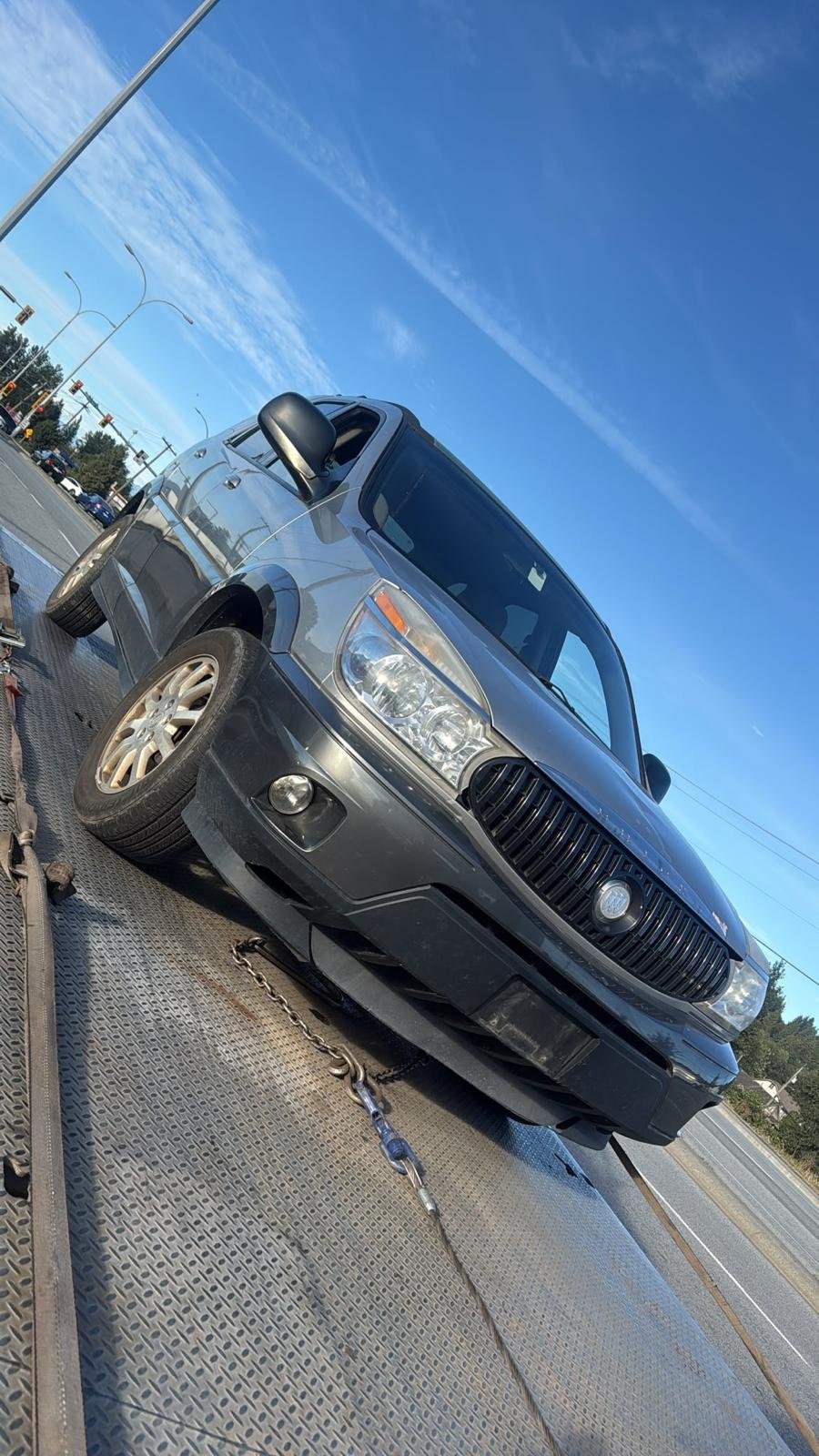
What to Check on a Non-Running Vehicle Before a Chilliwack Inquiry
When preparing for a professional assessment, it is essential to understand the specific details that a recycling service will need to provide an accurate evaluation. For those looking to streamline this process, Chilliwack Scrap Vehicle Removal offers a professional avenue for the disposal of unwanted automobiles and industrial equipment. By conducting a thorough preliminary check, sellers can ensure they are fully prepared when they reach out to a local specialist. It is important to note that Chilliwack Scrap Vehicle Removal focuses exclusively on the acquisition of unwanted vehicles and equipment for recycling purposes and does not sell used parts to the public. This distinction is vital, as it frames the entire interaction around the efficient removal and processing of the vehicle rather than the resale of individual components. Preparing your vehicle for an inquiry involves more than just picking up the phone; it requires a clear understanding of the vehicle’s current state and legal standing.
Verifying Ownership and Documentation Requirements
Before initiating any inquiry regarding a non-running vehicle, the most critical step is ensuring that all legal documentation is in order. In British Columbia, the transfer of a vehicle requires specific paperwork to prove ownership and facilitate a legal transition. Sellers should locate their vehicle registration and any relevant identification documents. While the vehicle may no longer be operational, its legal identity remains tied to these records. Having these documents ready not only speeds up the inquiry process but also ensures that the eventual removal complies with provincial regulations. If the documents have been lost or are outdated, it is advisable to replace the registration at an Autoplan broker before proceeding further. When you contact Chilliwack Scrap Vehicle Removal at 236-237-3958, providing clear information about the registration status will allow for a smoother consultation. Identifying any lapsed registrations or administrative complications early prevents delays during the physical pickup.
Assessing the Physical and Mechanical Condition
A non-running vehicle can range from a car with a simple dead battery to one with a completely seized engine or missing drivetrain components. Providing an accurate description of the mechanical failure is paramount. Sellers should attempt to identify the primary reason the vehicle is stationary. Is it a failure of the electrical system, a catastrophic engine issue, or perhaps a transmission problem? Understanding these details helps the recovery team determine the type of equipment needed for the removal. For instance, a vehicle with seized brakes or a locked transmission may require different handling than one that simply refuses to spark. A clear mechanical summary ensures that the inquiry is grounded in reality and allows for a more accurate assessment of the vehicle’s state. While Chilliwack Scrap Vehicle Removal accepts vehicles in various states of disrepair, knowing exactly what is present is essential. This includes checking the tires; if they are flat or missing, the vehicle may need specialized equipment for removal.
Evaluating the Engine and Drivetrain Integrity
The engine and transmission are often the most valuable components from a recycling perspective, even if they are no longer functional. When conducting your pre-inquiry check, note whether the engine is complete. Has it been partially dismantled for parts? Are the alternator, starter, and battery still in place? A complete engine, even a non-running one, holds more weight in the recycling process than a stripped block. Similarly, the presence of the transmission and driveshaft should be verified. If the vehicle has been used as a donor for other projects, these missing pieces must be disclosed. This information is vital for the recycling facility to plan the processing of the vehicle’s materials and ensure that all components are handled correctly.
The Significance of the Catalytic Converter
The catalytic converter is a high-value component in the vehicle recycling industry due to its precious metal content. Before calling Chilliwack Scrap Vehicle Removal, sellers should verify if the catalytic converter is still attached to the exhaust system. Their absence significantly alters the recycling profile of the vehicle. A quick visual check under the car can confirm its presence. If the converter has been removed or replaced with an aftermarket version, this should be noted during the inquiry to ensure the information provided is accurate. Understanding the status of this component is a key part of the pre-inquiry process, as it directly impacts the recycling evaluation and the overall handling of the vehicle’s exhaust system.
Logistics and Site Accessibility in Chilliwack
The geography of Chilliwack and the surrounding Fraser Valley presents unique challenges for vehicle removal. Whether it is a narrow residential driveway or an expansive farm property, the location of the non-running vehicle is a key factor. Sellers should evaluate site accessibility, noting if the vehicle is on a paved surface or sunk into soft ground. Providing detailed information about surroundings allows the recovery team to bring appropriate tools, such as specialized dollies or long-reach winches, ensuring a safe and efficient process. The goal is to minimize the impact on your property while ensuring the vehicle is removed in a professional manner. Success depends on accurate site descriptions, especially if the vehicle is in a tight spot like a parking garage.
Consider the following logistical factors when preparing for your inquiry:
| Factor | Description | Action Required |
|---|---|---|
| Surface Type | Concrete, gravel, grass, or mud. | Clear debris around the tires if possible. |
| Clearance | Height and width restrictions of the path. | Ensure the path is wide enough for a flatbed. |
| Orientation | Which way the vehicle is facing. | Note if the front or rear is more accessible. |
| Rollability | Whether the wheels can turn freely. | Check tire pressure and brake status. |
Final Preparations Before the Inquiry
Once documentation is found and the vehicle’s condition is assessed, a few final steps make the inquiry process effective. First, remove all personal belongings from the interior. It is easy to overlook items in the glove box or under seats. Once a vehicle is removed, retrieving lost items is often impossible. Additionally, check for hazardous materials stored inside and dispose of them according to local Chilliwack guidelines. The vehicle should be empty, containing only its original components. For industrial equipment or drill rigs, preparation is similar but on a larger scale. Ensure auxiliary attachments are accounted for and the equipment is positioned for a heavy-duty haul. Chilliwack Scrap Vehicle Removal is equipped for these larger items, but their weight requires precise communication. By being thorough, you facilitate a professional transaction that respects everyone’s time.
Conclusion: Initiating the Process
Selling a non-running vehicle does not have to be stressful. By verifying documentation, assessing the mechanical state, and evaluating property logistics, you set the stage for a successful removal. Chilliwack Scrap Vehicle Removal is a dedicated service for disposing of unwanted vehicles and equipment, focusing on recycling rather than parts sales. This approach ensures your vehicle is handled responsibly, contributing to environmental sustainability in the Fraser Valley. When you are ready, having the vehicle’s year, make, model, and condition details will make the initial conversation productive. For residents in Chilliwack, the path to a clearer driveway begins with a simple assessment. To discuss the removal of your unwanted vehicle or equipment, contact Chilliwack Scrap Vehicle Removal at 236-237-3958. Their team is prepared to guide you through the process with professionalism and care. Clear out the clutter and reclaim your space by taking these essential steps today.