Chilliwack Commercial Fleet and Farm Vehicle Scrap Disposal Guide Call 236-237-3958 to discuss your vehicle.
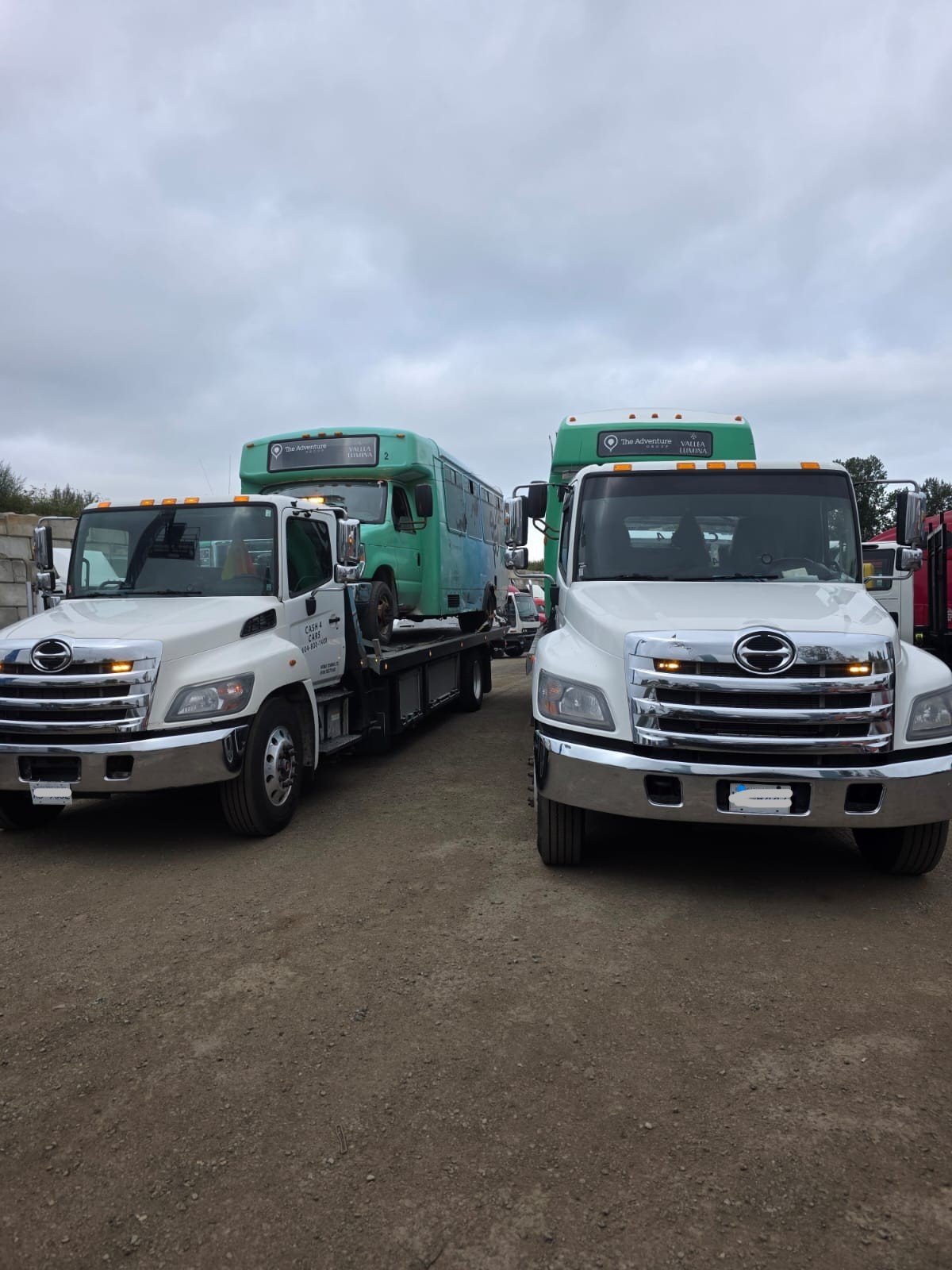
For business owners and agricultural operators, the accumulation of aging machinery and decommissioned commercial fleets represents more than just a logistical hurdle; it is a significant regulatory risk. Managing the lifecycle of heavy equipment requires a clear understanding of local mandates and environmental responsibilities. In the City of Chilliwack, the transition from an operational asset to a scrap vehicle is governed by specific municipal codes that can catch unprepared owners off guard. Professional services like Chilliwack Scrap Vehicle Removal, reachable at 236-237-3958, provide a necessary bridge between regulatory compliance and the efficient removal of industrial-grade scrap.
Navigating the Chilliwack Community Standards Bylaw
The primary regulatory framework governing the storage of vehicles on private property is the Chilliwack Community Standards Bylaw 2021, No. 5041. This legislation is designed to maintain the aesthetic and environmental integrity of the community by preventing the buildup of derelict machinery. According to the bylaw, the storage of any motor vehicle or vehicle part on a property is strictly prohibited unless the item in question is validly licensed or capable of movement under its own power [1]. For farm owners with decades-old tractors or transport companies with retired trailers, this means that equipment sitting idle in a field or parking lot could lead to municipal citations and fines if it is not stored within a fully enclosed building.
The distinction between a “stored vehicle” and “scrap” often comes down to its operational status. If a commercial truck or a piece of agricultural equipment cannot be started and moved, it falls under the purview of these strict storage restrictions. The bylaw ensures that properties do not become unofficial salvage yards, which can impact local property values and create environmental hazards. For owners of large fleets, the cost of enclosing every non-operational unit is often prohibitive, making the timely disposal of these assets the most viable path forward to remain in compliance with local law.
Heavy Vehicle Restrictions in Urban Residential Zones
The challenges of vehicle storage become even more acute when operations overlap with urban residential areas. Chilliwack’s zoning regulations are particularly specific regarding the weight and type of vehicles that can be kept on residential properties. In these zones, the off-street parking of no more than one vehicle with a gross vehicle weight exceeding 5,000kg is permitted [2]. However, this allowance comes with significant caveats: the vehicle cannot be a commercial trailer, and it cannot be used for waste hauling [2]. This creates a complex situation for independent contractors or small business owners who may use their residential property as a base of operations.
When a heavy commercial vehicle reaches the end of its service life, its presence on a residential lot becomes a liability. Because the bylaw limits both the number and the type of heavy vehicles allowed, a single decommissioned unit can prevent an owner from parking their active, income-generating equipment on the same site. Furthermore, the prohibition on commercial trailers in these zones means that even a well-maintained but unused trailer can trigger enforcement actions. Understanding these nuances is critical for fleet owners who need to balance their operational needs with the requirements of urban land use in Chilliwack.
The Limitations of Public Disposal at Bailey Landfill
When it comes time to physically dispose of a vehicle, many owners assume that public facilities will handle the burden. However, the City of Chilliwack’s Bailey Landfill has specific exclusions that complicate the disposal of commercial and agricultural machinery. Most notably, the Bailey Landfill does not accept full motor vehicle bodies [3]. While the facility does offer free scrap metal recycling for smaller components during the months of April and October, this service is not designed for the scale of a commercial fleet or large farm equipment [3]. This leaves owners in a position where they must find alternative, professional avenues for recycling the bulk of their machinery.
The refusal of full vehicle bodies at the landfill is an environmental policy ensuring hazardous materials are handled by specialized recyclers. For a business owner, taking a retired delivery van or rusted harvester to the dump is not a practical option. The logistical requirements of dismantling a vehicle to meet landfill component sizes are often more expensive than the value of the scrap itself, highlighting the need for a solution that handles the entire unit at once.
Professional Fleet and Farm Machinery Liquidation
For those managing larger volumes of scrap, such as a farm undergoing modernization or a logistics company refreshing its fleet, the process of liquidation must be handled with professional oversight. Chilliwack Scrap Vehicle Removal specializes in the logistics of removing these larger, often immobile assets from commercial and agricultural properties. It is important for sellers to understand that the actual eligibility for removal, the timing of the service, the required paperwork, and the final price offered depend entirely on the specific vehicle and a direct conversation with the removal team. No two commercial scrap projects are identical, and factors such as the location of the equipment, its size, and the current market for recycled metals all play a role in the transaction.
We do not sell used parts. Our focus is strictly on the recycling and removal of vehicles to help property owners maintain compliance with Chilliwack’s community standards. By focusing on the recycling aspect, we ensure that the materials from decommissioned fleets and farm machinery are processed in an environmentally responsible manner, rather than sitting as a liability on a local property. This approach aligns with the city’s goals of reducing urban blight and ensuring that industrial waste is diverted from residential and agricultural lands into the proper recycling streams.
Engaging in a direct conversation is the first step in resolving a disposal issue. Because every vehicle has a different history, from well-documented trucks to abandoned farm implements, the paperwork process varies. A professional service helps navigate these complexities, ensuring the transfer is handled legally and the owner is protected from future liability. This is vital for commercial entities accounting for asset disposal.
Scrap removal in Chilliwack is about risk management. With Bylaw 5041 being actively enforced, the cost of inaction is rising. By proactively managing the disposal of aging equipment, business and farm owners maintain a compliant operation. For a consultation, contact the team at 236-237-3958 to discuss your scrap disposal requirements.
References
[1] City of Chilliwack, “Community Standards Bylaw 2021, No. 5041,” https://www.chilliwack.com/attachments/attachView.cfm?attachID=6284 (Accessed Sep 05, 2026).
[2] City of Chilliwack, “Off-Street Parking and Loading Regulations,” https://pub-chilliwack.escribemeetings.com/filestream.ashx?DocumentId=7992 (Accessed Sep 05, 2026).
[3] City of Chilliwack, “Bailey Landfill Information,” https://www.chilliwack.com/main/page.cfm?id=2544 (Accessed Sep 05, 2026).
Local reference points
These current local reference points help frame a site-specific conversation:
- Chilliwack’s Community Standards Bylaw 2021, No. 5041 prohibits the storage of any motor vehicle or vehicle part on a property unless it is validly licensed or capable of movement under its own power, unless enclosed in a building. Source 1
- In Chilliwack’s urban residential zones, the off-street parking of no more than one vehicle with a gross vehicle weight exceeding 5,000kg is permitted, provided it is not a commercial trailer or used for waste hauling. Source 2
- The City of Chilliwack’s Bailey Landfill does not accept full motor vehicle bodies, although it offers free scrap metal recycling for smaller components during the months of April and October. Source 3