Chilliwack Farm-Business Vehicle Retirement: Plate Return and Insurance Closure Steps Call 236-237-3958 to discuss your vehicle.
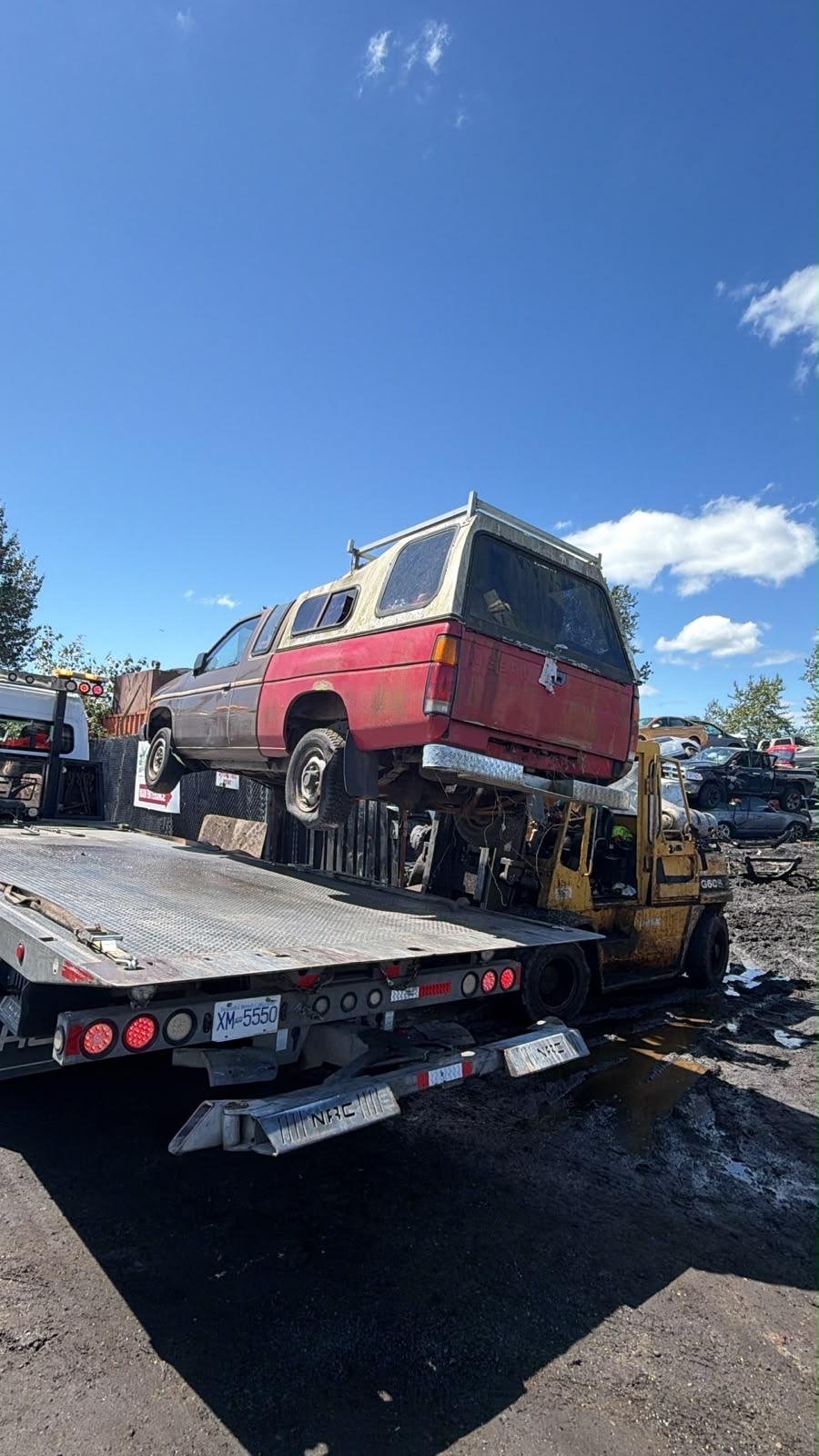
When a Chilliwack farm business retires an insured truck, farm vehicle, or other road-licensed unit, the physical removal is only one part of closing the file. The owner also needs to separate the business decision to retire the asset from the provincial steps for cancelling its Autoplan coverage. Keeping those steps in the right order helps create a clean record for the company, partnership, or other registered owner.
This guide is for sellers and business administrators dealing with one unwanted farm vehicle. It does not provide legal, tax, insurance, recycling, or government services. Confirm the exact requirements with an Autoplan broker and keep the business’s own accounting and asset records up to date.
Why Chilliwack farm vehicles need a deliberate handoff
Chilliwack has a particularly strong agricultural setting. The City says agricultural land use comprises about 65% of its land base and describes that land as some of the most productive agricultural land in the province. For a farm business, a vehicle may move between fields, yards, barns, and public roads, so its last location and access conditions should be treated as part of the retirement file rather than assumed to be obvious.
The City’s farm-vehicle safety guidance says farm equipment can travel on roadways at all times, including at night; it also advises road users to slow down because farm vehicles can carry large and heavy loads and may travel below the posted speed limit. If a retired unit is still positioned where it could be moved near a roadway, do not treat a plate or insurance conversation as permission to operate it. Confirm its legal and safe status before any movement.
Chilliwack also regulates truck traffic. The City states that its Highway and Traffic Bylaw prohibits operating a motor vehicle with a gross vehicle weight exceeding 10,000 kg on a highway unless it is a designated Municipal Truck Route, subject to listed exceptions. That local rule is relevant when a business discusses access for a large farm truck: a broker handles insurance administration, while road-route and movement questions remain separate matters.
Build the business vehicle file before contacting the broker
Start with the registered owner shown on the vehicle documents. A company-owned vehicle should be handled by someone authorized to act for that company, while a partnership or jointly owned vehicle may require more than one person’s participation. Gather the vehicle’s licence plate, the Owner’s Certificate of Insurance and Vehicle Licence, and the internal asset identifier or unit number used by the farm.
Write down the basic facts without turning them into a valuation claim: make, model, year if known, unit number, whether it is a farm truck or another farm vehicle, and whether it is running or stationary. Record the rural access description as well: gate, lane, field edge, barn approach, slope, soft ground, overhead obstruction, or narrow turning area. These details help a business communicate accurately with any prospective removal or transport contact, but they do not establish who is licensed to tow, recycle, buy, or dispose of the vehicle.
Keep ownership and accounting documents separate from insurance documents. The company may need its own sale, retirement, capital-asset, or write-off record. ICBC’s cancellation process is about the Autoplan policy and plates; it is not a substitute for the business’s bookkeeping, tax advice, or corporate authorization.
Use the commercial category accurately
ICBC describes non-fleet commercial vehicles as coverage for fewer than 20 motor vehicles used for business or commercial delivery. It says Fleetplan is required for customers with more than 20 eligible vehicles. A farm business should not guess which category applies to its account. Count the eligible vehicles and ask the broker how retiring this particular unit affects the policy, account, payment arrangement, or any replacement vehicle.
Do not assume that removing one vehicle automatically closes every business policy. Ask the broker to identify exactly which vehicle, plate, and coverage are being cancelled and whether another unit, driver, or policy remains active. Request a written confirmation or transaction record that the business can retain with its asset file.
Return the plate and cancel the Autoplan policy
ICBC’s central instruction is straightforward: bring the licence plates to an Autoplan broker because the plates are linked directly to the insurance. Its cancellation page says the broker visit requires the licence plates, or a police file number if the plates were lost or stolen, and the Owner’s Certificate of Insurance. It also says that where a vehicle is jointly owned, both owners need to be present.
- Bring the plate from the retired farm vehicle to the Autoplan broker.
- Bring the Owner’s Certificate of Insurance and Vehicle Licence.
- If the plate is lost or stolen, ask the broker about the required police file number.
- If the vehicle is jointly owned, arrange for both owners to attend.
- Tell the broker that the vehicle was used in a business or farm operation and ask which commercial record is being closed.
ICBC’s licence-plate FAQ adds that whenever insurance is cancelled, plates, including personalized plates, must be returned to the Autoplan broker. If insurance simply expires, the FAQ says the plates do not need to be returned. That distinction matters: a business choosing to end a policy should not confuse expiry with cancellation or leave the plate step unresolved.
Ask about timing before cancelling. ICBC says the sooner plates and insurance are cancelled, the more the owner may get back if eligible for a refund, and notes that a cancellation fee may apply. The refund depends on the remaining policy term, outstanding debt, and non-refundable fees. A refund is not guaranteed; only the broker can explain the calculation for the specific account.
Payment plans and business records
If the farm business pays by instalments, ICBC advises payment-plan customers to cancel at least one day before a payment is due. It warns that, depending on the situation, an additional withdrawal may cover missed payments or non-refundable fees. Review the account calendar and confirm the effective cancellation date with the broker instead of relying on a verbal assumption.
After the appointment, retain the cancellation confirmation, plate receipt or transaction record, Owner’s Certificate copy if supplied, and any broker explanation of refund, fee, debt, or payment-plan treatment. Match those records to the unit number and the company’s internal retirement entry. If another vehicle replaces the farm unit, open a separate record for that vehicle rather than blending its coverage with the retired unit.
Keep access notes and movement decisions separate from the insurance closure. The City’s truck-route rule, the condition of a farm lane, and the safety of moving heavy equipment are not resolved by returning a plate. If the unit is on a field edge or private farm property, obtain the owner’s authorization and discuss safe access with the party actually arranging any movement.
A practical Chilliwack closing sequence
First, confirm the business has authority to retire the vehicle and identify the registered owner. Second, gather the plate, Owner’s Certificate, unit details, and any lost-plate police file number. Third, describe the vehicle’s commercial or farm use to the Autoplan broker and ask which policy record applies. Fourth, return the plate and complete cancellation through the broker. Fifth, confirm payment-plan, refund, fee, and effective-date details. Finally, file the broker’s record with the business asset paperwork and keep any transport or access discussion as a separate document.
For a seller-focused conversation about an unwanted farm vehicle in Chilliwack, contact Chilliwack Scrap Vehicle Removal at 236-237-3958. Share the unit’s location and access facts accurately, and keep the ICBC appointment and business authorization steps in your own hands. We do not sell used parts.
Official sources
- ICBC: Cancel your insurance
- ICBC: Licence plates FAQ
- ICBC: Commercial insurance
- City of Chilliwack: Driver and Passenger Safety
- City of Chilliwack: Land Use in Chilliwack
Information checked against the linked official sources. Policy, refund, ownership, route, and movement questions should be confirmed with the responsible authority for the vehicle and site.