Chilliwack Farm Truck Scrap Value: Factors That Differ From Fleet Disposal
A farm truck can be an essential work vehicle right up to the point where keeping it becomes harder to justify. When an older grain truck, flat deck, pickup, service truck, or feed-hauling vehicle is no longer dependable, the question is often not simply whether it starts. Owners want a realistic discussion about Chilliwack farm truck scrap value and the information that helps a buyer assess it. Call 236-237-3958 to discuss your vehicle.
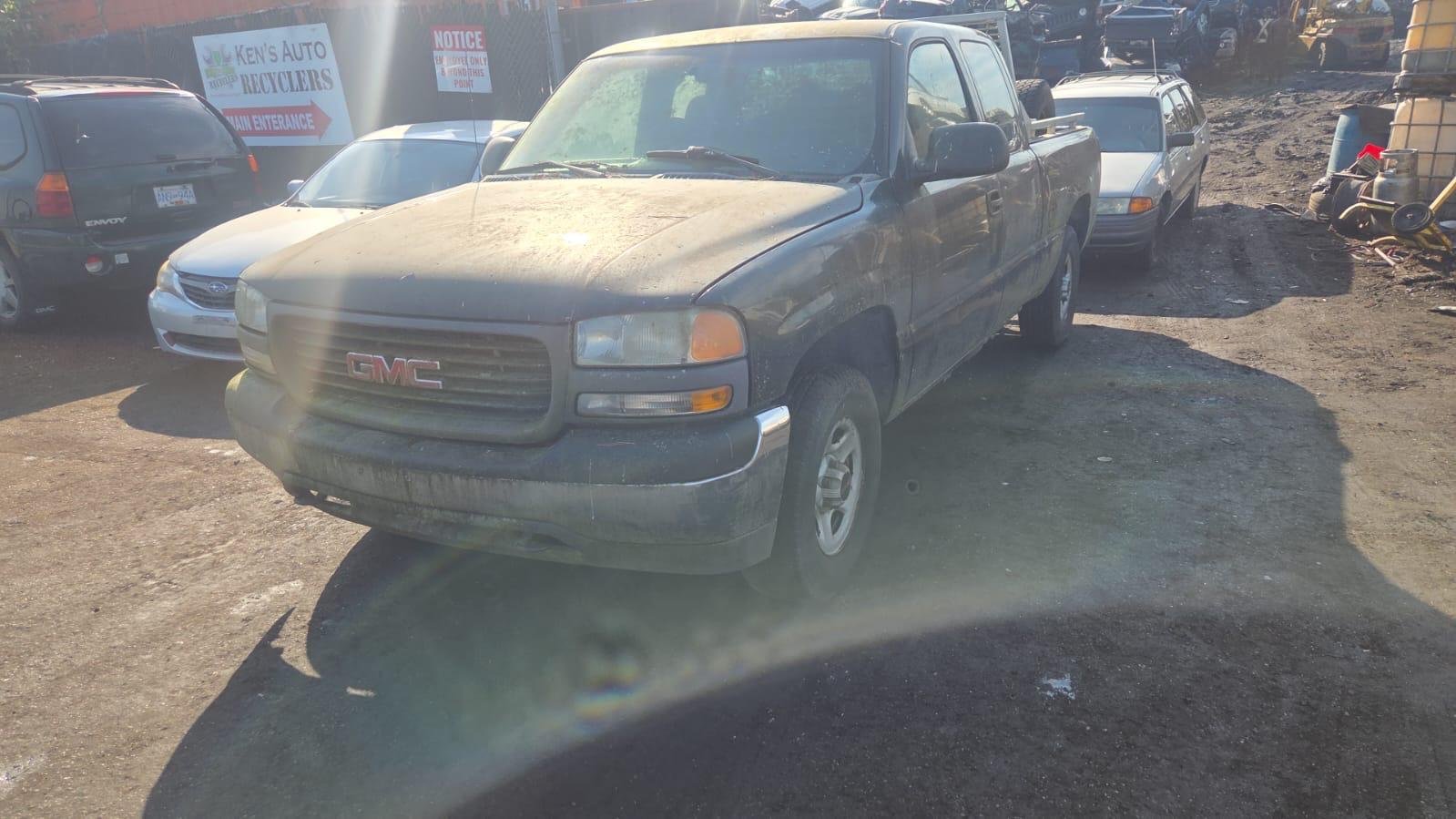
That conversation differs from a routine fleet disposal decision. A fleet manager may be retiring multiple similar units on a planned schedule, with consolidated records and predictable access. A farm truck is more often one distinct vehicle on a working property. Its configuration, installed equipment, condition, location, and the work it was expected to do can all affect how an owner describes it and how a removal inquiry is evaluated. This page is for sellers considering an unwanted farm truck, not for people looking for components. We do not sell used parts.
Why the Chilliwack setting matters to a farm-truck value inquiry
Chilliwack’s agricultural setting is not just background. The City states: Agriculture is an important part of Chilliwack’s landscape and economy; it accounts for 67% of the City’s total land base and 29% of economic activity. That context helps explain why a seller may have a truck with a long and specialized service history rather than an ordinary commuter vehicle. A vehicle used to move supplies, support field work, transport equipment, or work around a property can present a different condition profile from a truck retired from a standardized commercial fleet.
For a value discussion, the useful point is not to assume that farm use automatically adds or reduces value. Instead, describe the truck accurately. A buyer can better understand the situation when the owner identifies the basic vehicle, whether it is complete, its approximate condition, and any permanently installed work equipment. A clear description reduces the chance that a farm truck is treated as though it were a generic light-duty pickup or a uniform fleet unit.
Value factors that are especially useful for farm trucks
Vehicle identity and configuration
Start with the year, make, model, body style, vehicle identification number, and the current licence or registration status if known. Then explain the working configuration: cab and chassis, dump body, flat deck, service body, grain box, racks, winch, or other installed equipment. State only what is actually present. The type of body and the completeness of the vehicle can be material to an assessment, so photographs of all sides, the cab, and the equipment are often more helpful than a broad statement that it is an “old farm truck.”
A fleet retirement list may contain repeating specifications across several vehicles. A farm truck usually needs an individual description. One truck may have a specialized body, one may be an incomplete project, and another may have been parked after a mechanical problem. Listing those distinctions lets the inquiry stay tied to the truck being offered rather than to an assumed fleet profile.
Condition, completeness, and installed equipment
Condition means more than whether an engine will run. Let a prospective buyer know whether the truck moves under its own power, has inflated tires, is missing major components, has collision damage, or has been parked for a long period. Note visible corrosion, fluid leaks, cab damage, fire damage, or changes made for farm work without guessing about a diagnosis. If a box, deck, hydraulics, tool compartments, or other installed equipment remains with the truck, identify it; if it is being retained, say so.
Farm activity may also shape the truck’s visible wear and access conditions. The City’s road-safety guidance states: Farm vehicles are often travelling with large and heavy loads and can be travelling below the posted speed limit. For a seller, this is a practical reminder that duty history can be worth describing neutrally. Explain what the truck was used to carry or support, but do not overstate its capacity, roadworthiness, or remaining useful life. A straightforward account of use, condition, and installed equipment is more useful than an unsupported claim about value.
Weight class and inspection context
Weight class is another reason farm-truck discussions should not be collapsed into ordinary fleet language. The Province of British Columbia includes Farm vehicles with a licensed gross vehicle weight greater than 17,300 kg among vehicles that require inspection. This fact does not determine a scrap offer or mean every farm truck has the same requirements. It does make the truck’s licensed gross vehicle weight, configuration, and records relevant information to identify accurately when they are available.
For a heavier truck, an owner can state the licensed gross vehicle weight from the documents or plate information rather than estimating. If inspection records or notices exist, keep them with the vehicle records and describe them accurately if asked. Do not treat an old inspection document as a current condition report, and do not infer compliance from the truck’s appearance. The practical value of this information is clarity: it helps keep the inquiry focused on the actual vehicle instead of an assumed category.
Access and location affect the removal conversation
A farm truck can be parked at a barn, beside a field, behind equipment, or on a route with limited turning room. Those facts do not automatically set the truck’s value, but they can influence what information a buyer needs before discussing removal. Share the general Chilliwack location, whether the truck is on level ground, whether another vehicle blocks it, and whether there is a clear approach and exit. Describe gate widths, soft ground, steep areas, or other known access limits without promising that a particular vehicle can enter.
It is also sensible to separate the truck from nearby farm equipment. Before calling, confirm which items are included and which items will remain on the property. Remove personal belongings and farm records from the cab. If the truck has a tool box, service body, or cargo area, make it clear whether its contents are included. These steps are about presenting an accurate seller inquiry; they are not a claim about pickup timing, method, or price.
How farm-truck value differs from fleet disposal
Fleet disposal commonly emphasizes unit counts, repeated models, a central location, and uniform scheduling. Farm-truck value conversations are more vehicle-specific. The relevant questions are often whether the truck is complete, what equipment is attached, how it was configured, what condition it is in, and how it can be accessed where it sits. An older truck with a distinctive farm body should not be described as identical to a bare fleet truck merely because both are no longer in service.
This distinction also helps sellers avoid assumptions. A farm truck’s age, mileage, weight class, damage, missing components, and location can each matter. No article can responsibly assign a price without current, vehicle-specific information. The strongest starting point is an honest description supported by recent photographs and the records the owner has available.
A focused checklist before you request a farm-truck assessment
- Record the year, make, model, vehicle identification number, and licensed gross vehicle weight if available.
- Photograph the exterior, cab, body or deck, installed equipment, tires, and any visible damage.
- State whether the truck runs, rolls, is complete, and has been moved recently.
- Identify which boxes, tools, cargo, and attachments stay with the vehicle and which do not.
- Describe the Chilliwack property location and practical approach conditions without making access guarantees.
- Keep ownership and vehicle records available, and ask what details a prospective buyer needs for an accurate discussion.
Talk with a Chilliwack farm-truck seller service
If you are ready to discuss an unwanted farm truck, provide the basic facts first and ask questions based on your specific vehicle rather than on a generalized fleet scenario. Chilliwack Scrap Vehicle Removal can discuss the information relevant to a seller inquiry, including the vehicle’s configuration, condition, and location. We do not sell used parts.
For a clear conversation about your Chilliwack farm truck scrap value inquiry, call 236-237-3958. Have the truck details, photographs, and the information you can verify ready so the discussion can be based on the actual vehicle.
Local context cited above: City of Chilliwack Agricultural Planning; City of Chilliwack Driver and Passenger Safety; Province of British Columbia: Vehicles Subject to Inspection.